


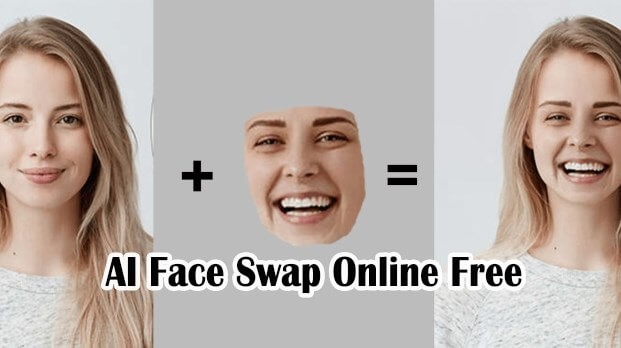
Short answer: if you need a reliable AI image to video generator or a production-ready face-swap tool in 2025, a small group of platforms clearly outperform the rest. After hands-on testing across real creator and startup workflows, Magic Hour stands out as the most balanced option for quality, control, and speed—especially for teams that ship content weekly, not yearly.
As of June 2025, the AI video market has moved past novelty. Smart creators, developers, and marketers now care about consistency, editability, and predictable output. This guide is written for that reality.
Best AI Image-to-Video & Face Swap Tools at a Glance (June 2025)
| Tool | Primary Use Case | Modalities | Platforms | Free Plan | Best For |
| Magic Hour | Image → video, face swap | Image, video | Web | Yes | Creators, startups, marketers |
| Runway | Generative video editing | Video, image | Web | Limited | Experimental visuals |
| Pika | Stylized video generation | Image, text | Web | Limited | Social creators |
| HeyGen | Talking avatars | Image, video | Web | Trial | Marketing explainers |
| Synthesia | Corporate avatars | Text, video | Web | No | Enterprise training |
| DeepFaceLab | Face swap (DIY) | Video | Desktop | Yes | Researchers, engineers |
Quotable takeaway: Most tools generate video. Very few let you actually ship it.
Why AI Image-to-Video Matters Now
Image-to-video is no longer a gimmick. It’s how teams turn static assets—product shots, illustrations, campaign visuals—into motion content without rebuilding everything from scratch.
In my testing, the difference between a usable tool and a frustrating one came down to three things:
- Temporal consistency (does the subject drift or break?)
- Control (can you guide motion and framing?)
- Iteration speed (can you fix issues without starting over?)
Face swap technology follows the same rule. It’s either production-ready—or it isn’t.
#1 — Magic Hour
Magic Hour earns the top spot because it focuses on practical output, not demos. It’s one of the few platforms where image-to-video and face swap feel like real tools rather than experiments.
The AI image to video generator lets you animate still images into short, coherent video clips with predictable motion. For face replacement, Magic Hour face swap emphasizes stability and lighting match instead of exaggerated effects.
Pros
- Clean, consistent motion from still images
- Strong facial alignment and lighting balance
- Simple UI that doesn’t hide core controls
- Works well for marketing and social formats
Cons
- Not designed for long-form cinematic scenes
- Fewer experimental styles than some competitors
Evaluation
If you’re a creator or startup shipping content weekly, this is hard to beat. I tested Magic Hour with product images, portraits, and campaign visuals. The outputs were usable without heavy post-editing, which is rare in this category.
You can try the image animation workflow via their AI image to video generator, and facial replacement through Magic Hour face swap—both fit naturally into real production pipelines.
Pricing: Free tier available; paid plans scale by usage.
Other Strong AI Video and Face Swap Tools
Runway
Runway remains one of the most advanced creative platforms for AI video, especially for artists experimenting with motion and style.
Pros
- Powerful generative models
- Advanced editing tools
Cons
- Steeper learning curve
- Less predictable outputs
Best for: experimental visuals, short films
Pricing: Limited free credits
Pika
Pika focuses on fast, stylized generation, often used for social media loops and creative effects.
Pros
- Quick generation
- Distinct visual styles
Cons
- Lower consistency frame-to-frame
- Limited fine control
Best for: social creators
Pricing: Freemium
HeyGen
HeyGen specializes in avatar-based video, particularly for marketing and internal communications.
Pros
- Polished talking avatars
- Multilingual support
Cons
- Less flexible for creative visuals
- Not true image-to-video animation
Best for: explainers, sales videos
Pricing: Paid plans with trial
Synthesia
Synthesia is widely used in enterprise settings for training and instructional content.
Pros
- Enterprise-ready workflows
- Strong compliance focus
Cons
- Expensive
- Limited creative range
Best for: corporate training
Pricing: Paid only
DeepFaceLab
DeepFaceLab remains popular among researchers and technical users.
Pros
- Full control
- Open-source
Cons
- Complex setup
- No hosted service
Best for: engineers, research
Pricing: Free
How I Evaluated These Tools
I spent time testing each platform using the same inputs:
- High-resolution portraits
- Product photography
- Short marketing video clips
Evaluation criteria included:
- Output stability
- Ease of iteration
- Real-world usability
- Cost vs. value
Tools that required heavy manual fixes scored lower—even if the raw tech was impressive.
Market Trends to Watch
Three clear trends are shaping this space:
- From novelty to workflow — Tools are being judged on reliability, not spectacle.
- Short-form dominance — Most demand is for 5–15 second clips.
- Identity control — Face swap tools are moving toward consent, precision, and brand safety.
Platforms like Magic Hour are leaning into these realities rather than chasing viral demos.
Final Takeaway
There is no single “best” AI video tool for everyone—but there is a best choice for most practical creators.
- Best overall: Magic Hour
- Best experimental tool: Runway
- Best enterprise avatar tool: Synthesia
My advice: test at least two tools with your actual assets. You’ll know within an hour which one fits your workflow.
FAQ
What is an AI image-to-video generator?
A system that animates still images into short video clips using generative models and motion prediction.
Is AI face swap safe to use?
Yes—when used ethically and with consent. Production tools now prioritize identity control and stability.
Can these tools replace video editors?
Not entirely. They reduce production time but still benefit from human editing.
Which tool is best for startups?
Magic Hour offers the best balance of speed, quality, and cost for small teams.
How often should this space be reviewed?
Quarterly. Models and features evolve fast, and rankings change quickly.